Source Abrasion Resistant Chemical Discharge Hose for fuel, acid, and alkali transfer
Find 30 Abrasion Resistant Chemical Discharge Hose options suitable for fuel tank, acid, and alkali applications. Compare specifications including working pressure, temperature range, and material composition from verified suppliers in China.
Key considerations
Products List
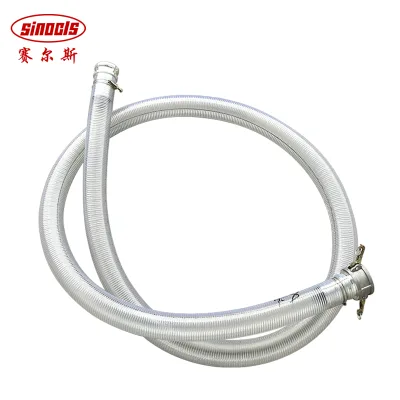


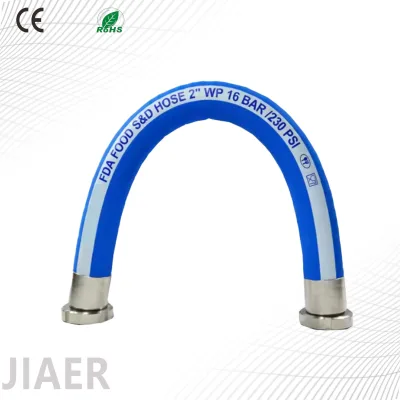


Comprehensive Sourcing Guide
Strategic Sourcing Guide for Abrasion Resistant Chemical Discharge Hose
Understanding Material Composition and Construction
When sourcing an Abrasion Resistant Chemical Discharge Hose, the primary focus must be on the material composition that defines the product's durability and chemical compatibility. The market offers various configurations, but the most robust options for heavy-duty industrial applications often utilize composite materials or specific rubber compounds designed to withstand harsh environments. For instance, high-performance variants are constructed using Nitrile Rubber, which provides excellent resistance to oils and fuels, while others may employ EPDM (Ethylene Propylene Diene Monomer) for superior resistance to weathering and certain polar chemicals. A critical distinction in the supply chain is the use of Ultra High Molecular Weight Polyethylene (UHMWPE) for the inner tube. This material is specifically noted for its smooth surface and exceptional abrasion resistance, making it ideal for discharging slurries or abrasive particulate-laden fluids.
The structural integrity of these hoses relies heavily on their reinforcement layers. To achieve the necessary burst strength and flexibility, manufacturers integrate high-strength synthetic cords and helix wires within the hose body. This reinforcement prevents the hose from collapsing under vacuum conditions or bursting under high pressure. The outer cover is equally vital, often utilizing a composite material or a specialized rubber blend to protect the internal layers from external abrasion, UV radiation, and mechanical damage. Buyers should verify that the specific product listing explicitly states the tube material, such as "Smooth, Ultra High Molecular Weight Polyethylene," and confirms the reinforcement type, as these factors directly dictate the hose's lifespan in abrasive chemical discharge scenarios.
Technical Specifications and Performance Parameters
Selecting the correct technical specifications is paramount to ensuring the hose performs safely under operational conditions. The inner diameter (I.D.) is a critical variable, with observed ranges in the market spanning from 25mm up to 152mm, or in imperial measurements from 3/4" to 4". Some specialized models offer a broader range, such as 19.1mm to 101.6mm for I.D. and corresponding outer diameters (O.D.) up to 119.6mm. The working pressure is another non-negotiable parameter; standard industrial discharge hoses typically operate at 10 bar (approximately 150 psi), while high-performance versions may boast a bursting pressure of 40 bar (600 psi). It is essential to distinguish between working pressure and bursting pressure, as the former represents the safe operating limit and the latter indicates the failure point.
Temperature tolerance is equally significant for chemical discharge applications. The operational temperature range for many high-quality chemical hoses is documented between -30°C and +65°C. Operating outside this range can compromise the elasticity of the rubber or the structural integrity of the polymer tube. Additionally, the hose must be capable of handling specific chemical properties, such as acid and alkali resistance. Buyers should look for products explicitly labeled with capabilities like "Acid Alkali Resistant Rubber Hose" to ensure compatibility with the specific fluids being discharged. The standard dimensions and models, such as those designated as JSY-CHEMICAL or JSY-SUCTION, often correlate with specific pressure ratings and size configurations, requiring careful cross-referencing with the intended application requirements.
Compliance, Certification, and Safety Standards
In the B2B procurement of industrial hoses, verifying compliance with international standards and certifications is a critical risk mitigation step. While specific certification bodies vary, the presence of ISO certification is a strong indicator of a manufacturer's commitment to quality management systems. For example, some product listings reference ISO9100, which serves as a benchmark for the quality control processes employed during production. However, buyers must exercise due diligence, as certification status can vary by batch or specific product line. It is not sufficient to rely on a general brand reputation; the specific model being purchased must be accompanied by valid documentation confirming its adherence to relevant safety and quality standards.
Beyond general ISO standards, the product must meet industry-specific requirements for chemical resistance and mechanical safety. The "High-Quality" designation often found in product descriptions is a qualitative claim that should be backed by tangible test results or compliance with recognized industry norms. When evaluating a supplier, procurement teams should request evidence of testing for burst pressure, working pressure, and chemical compatibility. The absence of specific test data in a product listing does not necessarily indicate non-compliance, but it does require the buyer to request this information before finalizing a purchase. Furthermore, the packaging standards, such as the use of woven fabric, wooden cases, or pallets, play a role in maintaining the hose's integrity during transit, ensuring that the product arrives in a condition suitable for immediate deployment without compromising its certified performance ratings.
Cost Drivers and Procurement Economics
The total cost of ownership for an Abrasion Resistant Chemical Discharge Hose is influenced by several dynamic factors, including material complexity, manufacturing standards, and order volume. The use of premium materials like UHMWPE and high-strength synthetic cords inherently increases the base cost compared to standard rubber hoses. Additionally, the customization options available, such as specific lengths, colors, or reinforced layers, can impact the final price. Buyers should note that the minimum order quantity (MOQ) varies significantly across suppliers, ranging from as low as 1 unit for single-item purchases to 200 meters or even 10,000 units for bulk industrial contracts. This variability allows for flexibility in procurement strategies, enabling small-scale projects to source single units while large-scale operations can leverage economies of scale.
Price ranges observed in the market span from $0.10 to $110 USD, reflecting the diversity in hose sizes, lengths, and material compositions. A hose priced at the lower end of this spectrum may be a standard size with basic reinforcement, while a high-performance, custom-configured hose with UHMWPE lining and high-pressure ratings will command a price at the higher end. The warranty period, often cited as 1 year, is another economic factor to consider, as it reflects the manufacturer's confidence in the product's durability. Buyers should also factor in the cost of specialized packaging, such as wooden cases or woven fabric rolls, which may be included in the unit price or charged separately depending on the supplier's terms. Understanding these cost drivers helps in budgeting accurately and negotiating effectively with potential suppliers.
Typical Applications and Operational Context
Abrasion resistant chemical discharge hoses are engineered for a wide array of demanding industrial applications where fluid transfer involves corrosive or abrasive substances. These hoses are frequently utilized in chemical processing plants, where they transport acids, alkalis, and other aggressive solvents. The specific designation of "Discharge Hose" indicates their primary function in moving fluids out of a system, such as from a fuel tank or a chemical reactor. In the mining and mineral processing industries, these hoses are essential for slurry transport, where the combination of abrasive particulates and chemical agents requires a hose with a smooth, wear-resistant inner tube like UHMWPE to prevent premature failure.
The versatility of these products is further evidenced by their use in environmental remediation and wastewater treatment facilities. Here, the hoses must withstand fluctuating temperatures and varying chemical concentrations while maintaining structural integrity. The "Flexible Discharge" attribute highlights their ability to navigate complex piping layouts and tight spaces without kinking or restricting flow. Whether the application involves high-pressure chemical injection or low-pressure gravity discharge, the hose must maintain its performance under the specific working pressure and temperature conditions of the site. Buyers should match the hose's specifications, such as the 10 bar working pressure and -30°C to +65°C temperature range, to the specific operational parameters of their facility to ensure reliable and safe fluid transfer.
Supplier Evaluation and Quality Assurance
Evaluating a supplier for chemical discharge hoses requires a rigorous assessment of their production capabilities, quality control measures, and logistical reliability. The "Place of Origin" is a key indicator, with major manufacturing hubs in China, specifically Hubei and Tianjin, known for producing a wide variety of industrial hoses. While the location itself does not guarantee quality, it provides context for the supply chain and potential lead times. Buyers should verify the supplier's ability to offer customization, as many industrial applications require non-standard sizes or specific material configurations. The availability of free samples is a positive indicator of a supplier's confidence in their product and their willingness to engage in a trial phase before committing to a large order.
Quality assurance extends beyond the initial product inspection to include the consistency of manufacturing and the reliability of the supply chain. The "High-Quality" claim should be validated through the supplier's adherence to standards and their response to quality inquiries. Buyers should inquire about the specific testing protocols used to verify burst pressure, working pressure, and chemical resistance. Additionally, the packaging method, whether it be woven fabric, wooden cases, or pallets, should be evaluated to ensure it protects the hose from damage during shipping. A supplier that offers a 1-year warranty demonstrates a commitment to product longevity, but the terms of this warranty must be clearly understood. Ultimately, the goal is to partner with a supplier who can consistently deliver hoses that meet the stringent technical and safety requirements of abrasive chemical discharge applications.
Long-Term Procurement Considerations and Maintenance
Sourcing abrasion resistant chemical discharge hoses is not merely a one-time transaction but part of a long-term operational strategy. The durability of the hose, influenced by factors like the UHMWPE tube and high-strength reinforcement, directly impacts maintenance schedules and operational downtime. Buyers should consider the total lifecycle cost, which includes not only the purchase price but also the cost of replacement, installation, and potential production losses due to hose failure. The "1Year" warranty period provides a baseline for expected performance, but the actual service life may vary based on the frequency of use and the severity of the chemical environment.
To maximize the lifespan of the hose, buyers should implement a proactive maintenance program that includes regular inspections for signs of wear, abrasion, or chemical degradation. The smooth inner surface of UHMWPE hoses helps prevent material buildup, but regular cleaning and flushing may still be necessary to maintain optimal flow and prevent blockages. Furthermore, proper storage is critical; hoses should be kept in a cool, dry environment away from direct sunlight and extreme temperatures to prevent premature aging of the rubber or polymer components. By understanding the specific requirements of the application and selecting a hose with the appropriate specifications, such as the correct inner diameter and pressure rating, buyers can ensure reliable performance and minimize the risk of unexpected failures in their chemical discharge systems.
FAQs
What materials are used for the inner tube?
The inner tube is made of Smooth, Ultra High Molecular Weight Polyethylene or Nitrile Rubber. Some variants also use EPDM for superior weathering resistance. This selection ensures smooth flow and high abrasion resistance for chemical discharge applications.
Which certifications do these hoses typically hold?
Many listed products carry ISO9100 certification to verify quality management systems. Buyers should request specific documentation for the model being purchased as certification status can vary by batch. This ensures adherence to recognized safety and quality standards.
Can the hose operate in extreme temperatures?
Yes, the hose operates within a temperature range of -30°C to +65°C. Operating outside this range may compromise the structural integrity of the polymer tube or rubber elasticity. Always match the hose rating to your specific site conditions.
How is the minimum order quantity determined?
Minimum order quantities vary significantly, ranging from 1 unit for single items to 200 meters or more for bulk contracts. This flexibility allows small projects to source single units while large operations leverage economies of scale based on their specific needs.
What is the standard working pressure rating?
Standard industrial discharge hoses typically operate at a working pressure of 10 bar or 150 psi. High-performance versions may boast a bursting pressure of 40 bar. It is essential to distinguish between working pressure and bursting pressure for safe operation.
Are customization options available for these hoses?
Customization is available for specific lengths, colors, or reinforced layers. Buyers should verify that the supplier can accommodate non-standard sizes or material configurations. This ensures the hose meets the unique requirements of your specific industrial application.
What packaging methods are used for shipping?
Goods are typically packed in woven fabric, wooden cases, or on pallets. Some listings specify chemical rubber hose packing in wooden cases. This packaging protects the hose from damage during transit and ensures it arrives in deployable condition.